lemon chilli media

Categories
Uncategorized

Why packaging is your silent salesperson.

Why packaging is your silent salesperson?

When you stroll down the aisle in a supermarket or scroll through a website, dozens—if not hundreds—of items vie for your attention. Some will make you pause, glance twice, and possibly even reach for them. Others will simply blend into the background, unnoticed. The difference? Often, it’s the packaging.
While salespeople persuade with words, gestures, and relationships, packaging persuades with silence. It has just a few seconds to convince a customer to choose your product over another, and it does so without uttering a word. In this sense, packaging is your silent salesperson, tirelessly working around the clock—on store shelves and in customers’ homes—shaping perceptions and influencing buying decisions.

1. First Impressions Drive Buying Decisions

In today’s fast-paced, choice-driven market, consumers make decisions almost instantly. Studies suggest it takes only a few seconds for someone to form an impression of a product. Since packaging is usually the first thing they see, a design that feels uninspired, outdated, or cluttered can quickly drive them away—even if the product itself is exceptional.
A well-designed product packaging speaks volumes. Its color palette, typography, materials, and finish combine to trigger an emotional response. Think of premium brands that use matte finishes, embossing, and metallic foils—they’re not just aesthetic choices, but psychological cues of quality and trust.

2. Packaging Builds Brand Recognition

Packaging often serves as a customer’s first interaction with your brand identity. Consistent use of logos, color schemes, and messaging reinforces recognition, enabling consumers to immediately identify your products amid crowded shelves or online listings. This familiarity fosters trust, strengthens brand recall, and encourages repeat purchases.
Iconic examples include Coca-Cola’s distinctive red label and Apple’s minimalist white boxes—both instantly communicating brand identity without a single word. In the absence of a salesperson, thoughtful packaging design becomes a powerful cue that embeds your brand in the customer’s mind.

3. Enhancing User Experience and Convenience

Beyond its visual appeal, packaging serves a critical functional role. It must protect the product, ensure ease of access, and clearly communicate essential information. Transparent labeling—such as nutritional details, usage instructions, and scannable QR codes—helps customers feel informed, secure, and empowered in their purchase decisions.
Convenience is equally important in fostering loyalty. Features like resealable pouches, ergonomically designed bottles, and sustainable refill options demonstrate a brand’s commitment to customer experience. This emphasis on usability, though often understated, acts as a silent salesperson—driving satisfaction, repeat purchases, and long-term brand trust.

4. Boosting Shelf Impact and Online Visibility

In physical retail environments, packaging competes for limited shelf space; online, your product thumbnail serves as its “digital packaging.” In both settings, visual impact is critical. High-contrast designs, consistent branding, and high-quality imagery not only capture attention but also enhance both in-store appeal and online click-through rates.

Strategic investment in professional product photography and 3D renderings for e-commerce can significantly improve conversions. When packaging design and product imagery work cohesively, they form a powerful extension of your marketing strategy—ensuring your brand stands out across every sales channel.

5. Supporting Sustainability and Consumer Trust

Today’s consumers are increasingly environmentally conscious, making sustainable packaging a critical differentiator. Incorporating recyclable, biodegradable, or refillable materials signals a brand’s commitment to environmental stewardship and can justify a premium price point, as many buyers are willing to invest more in eco-friendly options.
Equally important is transparency. Packaging that clearly communicates ingredients, certifications, and sustainability initiatives builds credibility and reinforces trust—one of the most powerful drivers of purchase decisions. In this way, packaging conveys your brand’s values and integrity without a single spoken word.

6. Encouraging Social Media Sharing

Today’s customers love sharing aesthetically pleasing products on social media. “Unboxing” has become its own content genre. Packaging that feels premium, creative, or interactive is more likely to be posted, giving your brand free exposure.
From custom inserts to clever messaging under the lid, small details turn your packaging into a marketing asset. Every share or mention is digital word-of-mouth, multiplying your reach.

7. Packaging as a Long-Term Investment

Many businesses hesitate to allocate resources to upgraded packaging, viewing it primarily as an expense. Yet, when understood as a silent salesperson, packaging represents a high-return investment. Enhanced brand recognition, increased customer retention, elevated perceived value, and amplified social media visibility all contribute to long-term profitability.
Even incremental improvements—such as a more refined color palette, clearer typography, or the adoption of sustainable materials—can deliver measurable gains in sales performance and customer loyalty, making packaging a strategic asset rather than a cost center.

Action Steps to Turn Packaging into a Sales Asset

  • Conduct a Packaging Audit: Assess whether your current packaging accurately reflects your brand values, differentiates you from competitors, and aligns with consumer expectations.
  • Enhance User Experience: Design packaging that is intuitive to open, use, and dispose of, creating a seamless and positive customer interaction.
  • Communicate Benefits Visually: Use design elements, clear labeling, and storytelling cues to showcase your product’s unique selling points.
  • Invest in Premium Materials: High-quality, durable, and sustainable materials signal credibility, build trust, and reinforce brand positioning.
  • Validate Before Full Rollout: Collect insights from focus groups or loyal customers to refine the design before mass production.
  • In an environment where consumer attention is scarce and competition intense, packaging has evolved far beyond a simple container—it functions as a silent salesperson. From shaping first impressions to conveying your brand narrative and enhancing perceived value, packaging carries much of the sales and marketing effort before any direct interaction occurs. Approaching packaging design as a strategic investment rather than a cost transforms it into a powerful growth driver. Thoughtful, high-quality packaging not only elevates sales and strengthens brand recognition but also builds long-term loyalty, positioning your brand for sustained success. At Lemon Chilli Media Solutions (LCMS), we specialize in creating packaging that blends aesthetics, functionality, and strategy. Whether it’s refreshing an existing design or developing an entirely new concept, our team ensures your packaging acts as a true sales asset—capturing attention, strengthening your brand, and driving measurable business results.
    Categories
    Uncategorized

    How to Create Scroll-Stopping Visuals forSocial Media

    How to Create Scroll-Stopping Visuals for Social Media

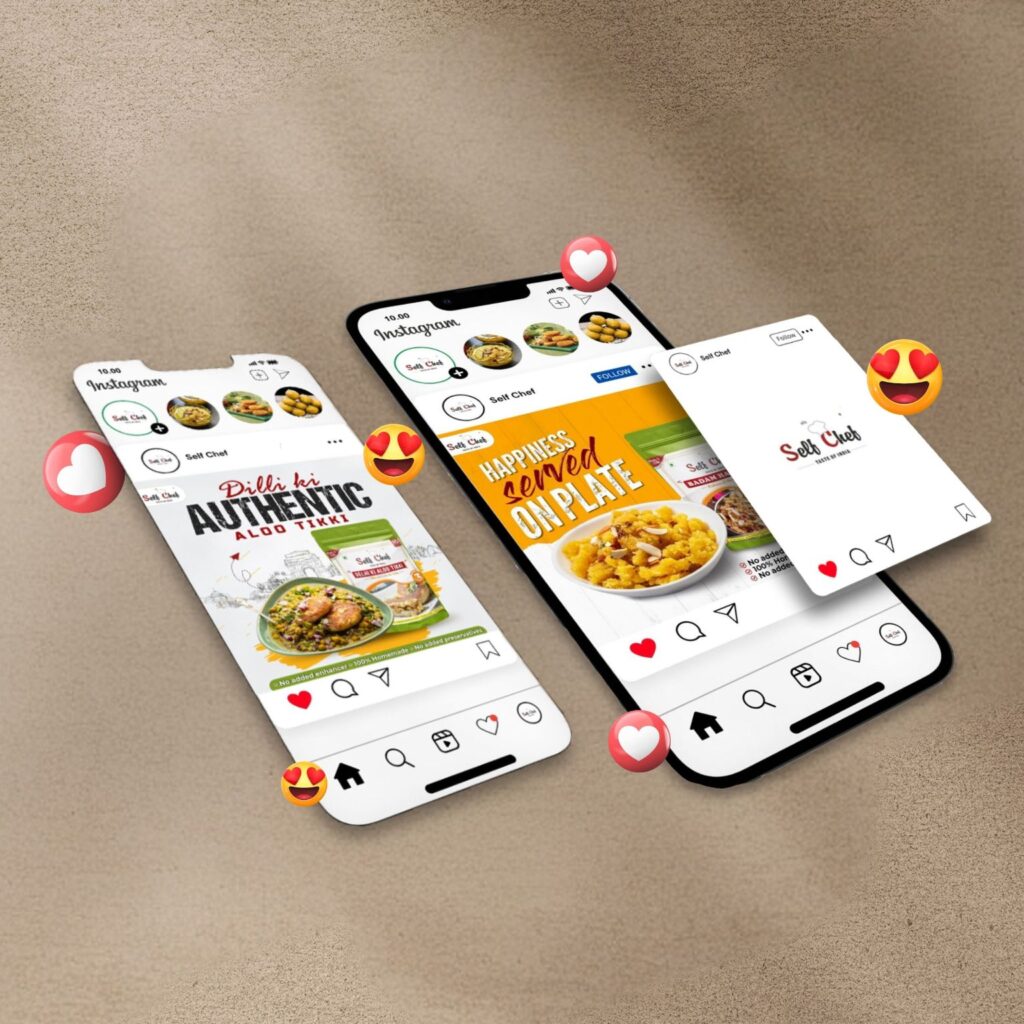
    In today’s fast-paced digital landscape, audiences are exposed to hundreds of posts within minutes. Your visuals have mere seconds to stand out, capture attention, and influence engagement. The competition for visibility is intense—but with a strategic approach, you can craft scroll-stopping visuals that not only attract attention but also drive meaningful interaction and reinforce brand recall.
    This guide explores proven strategies to design compelling, high-performing social media visuals. From gaining a deep understanding of your audience to leveraging cutting-edge creative tools, you’ll discover actionable techniques to elevate your social media marketing and achieve measurable results.

    Why Scroll-Stopping Visuals Matter

    People are naturally wired to respond to visuals. Research shows that the brain processes imagery tens of thousands of times faster than text, making visuals one of the most powerful tools in digital communication. On platforms such as Instagram, TikTok, and Facebook, a strong first impression can be the deciding factor between a click, a like, or a scroll past your content entirely.

    Here’s why impactful visuals are indispensable to your social media strategy:

  • Boost Engagement: Posts featuring high-quality visuals consistently generate more likes, shares, and comments.
  • Enhance Brand Recall: Cohesive, recognizable visuals strengthen brand identity and improve long-term recognition.
  • Drive Conversions: Compelling graphics and videos increase click-through rates, leading to higher conversions and sales.
  • If you’re serious about optimizing your social media performance, investing in exceptional visuals is the first—and most critical—step.

    Core Strategies for Scroll-Stopping Visuals

    1. Know Your Audience

    Effective design begins with a clear understanding of your target audience. Leverage analytics to gain insights into their demographics, behaviors, and content preferences. Develop detailed audience personas to inform your creative direction — outlining preferred styles, color palettes, and formats — ensuring every visual resonates with the people you want to engage.

    2. Use High-Quality Images & Videos

    Low-quality or blurry visuals can immediately undermine engagement. Always use high-resolution photography or premium stock images to ensure clarity and professionalism. For video content, prioritize proper lighting, clear audio, and precise editing. Additionally, optimize file sizes to maintain fast loading times without compromising visual quality.

    3. Tell a Visual Story

    Consumers are drawn to narratives, not just products. Demonstrate how your product or service integrates into the lives of your customers by using before-and-after visuals, lifestyle scenarios, or emotion-driven imagery. Crafting relatable and memorable visual stories helps strengthen engagement and brand connection.

    4. Maintain Brand Consistency

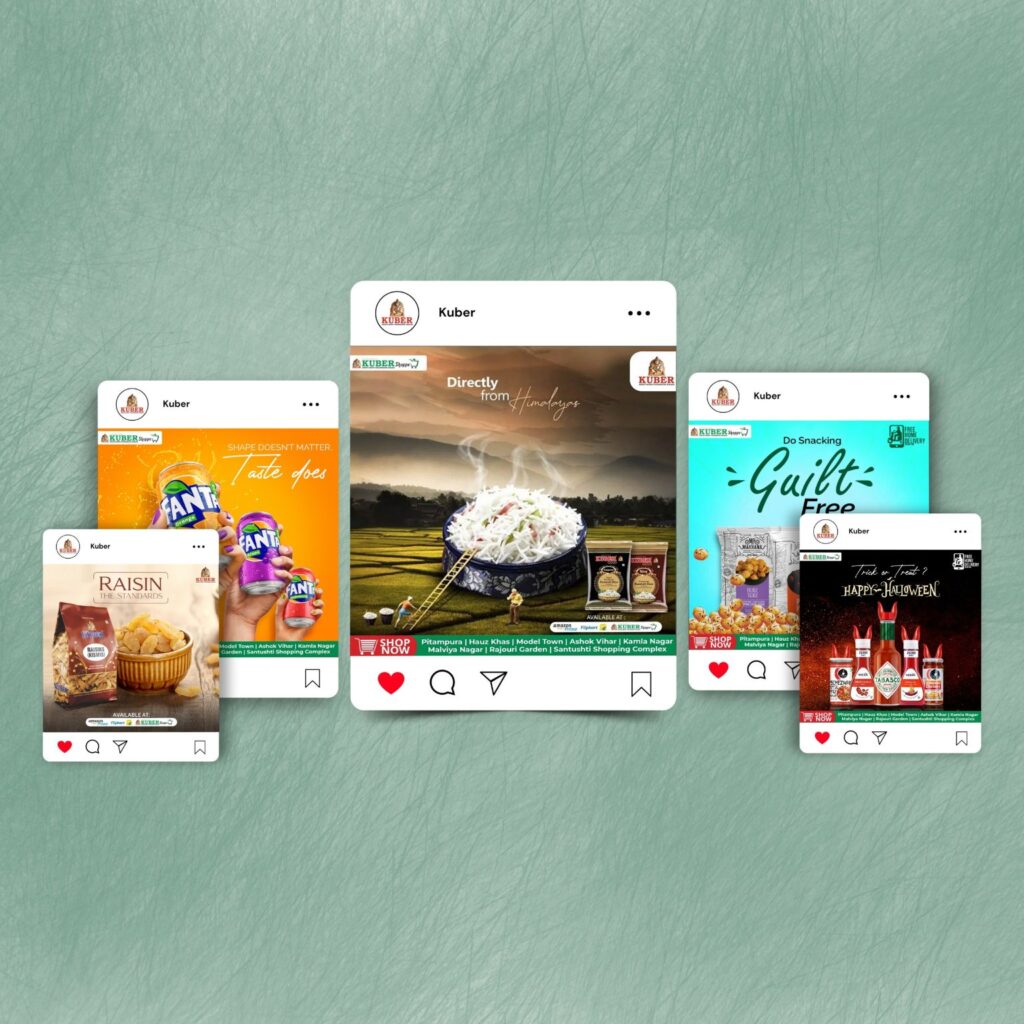
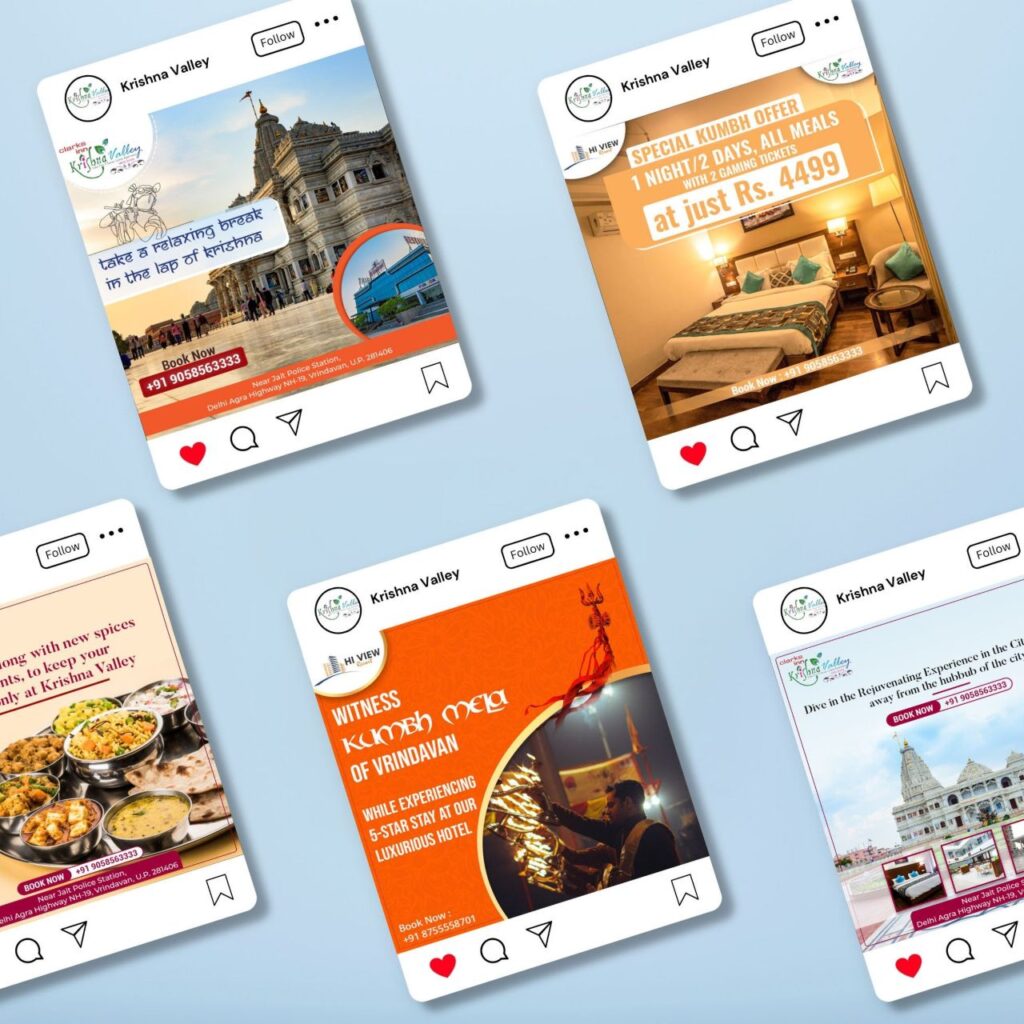
    Maintaining visual consistency is essential for building brand trust and recognition. Define clear guidelines for your color palettes, typography, logo placement, and overall imagery style. Leveraging tools such as Canva’s Brand Kit or Adobe Express can help ensure that every post aligns seamlessly with your brand identity.

    5. Incorporate Video & Motion Graphics

    Motion is one of the most effective ways to capture attention on social media. Consider incorporating:
  • Short videos showcasing behind-the-scenes content or product demonstrations.
  • GIFs and cinemagraphs to introduce subtle, eye-catching movement.
  • Reels and TikToks leveraging trending audio to increase engagement.
  • Mobile editing tools such as CapCut and InShot provide user-friendly solutions for creating professional-quality motion content directly from your smartphone.

    Tools & Resources

    Here are some go-to tools to help you design professional visuals quickly:
  • Canva: Templates, branding kits, quick edits.
  • Figma: Collaborative design platform for teams.
  • Adobe Creative Cloud: Professional-grade software for graphics and video.
  • CapCut / InShot: Mobile video editing.
  • Unsplash / Pexels: Free, high-quality stock photos.
  • Color Hunt: Curated color palettes.
  • Remove.bg: Instantly remove image backgrounds.
  • Mistakes to Avoid

    Even high-quality visuals can underperform if common design pitfalls are overlooked. These include:
  • Excessive text on graphics, which can overwhelm or confuse viewers.
  • Inconsistent use of colors or fonts, undermining brand cohesion.
  • Neglecting mobile optimization, leading to poor user experiences on small screens.
  • Publishing low-resolution or pixelated images, which diminish perceived professionalism.
  • Failing to test and analyze performance, preventing data-driven improvements.
  • Creating scroll-stopping visuals is less about formal design training and more about strategic execution. By integrating high-quality imagery, compelling storytelling, and consistent branding, you can capture attention, foster deeper engagement, and drive meaningful conversions. Begin by implementing one or two of these strategies, experiment with different formats, and closely monitor performance metrics. Over time, refining your approach will transform your visuals into one of the most impactful assets in your social media marketing strategy. At LCMS, we provide creative designing services to help brands craft visually compelling content that engages audiences, builds brand recognition, and drives conversions. Whether it’s graphics, videos, or motion content, our team delivers solutions tailored to your marketing goals.
    Categories
    Uncategorized

    The Ultimate Guide to Planning a Successful Corporate Event

    The Ultimate Guide to Planning a Successful Corporate Event

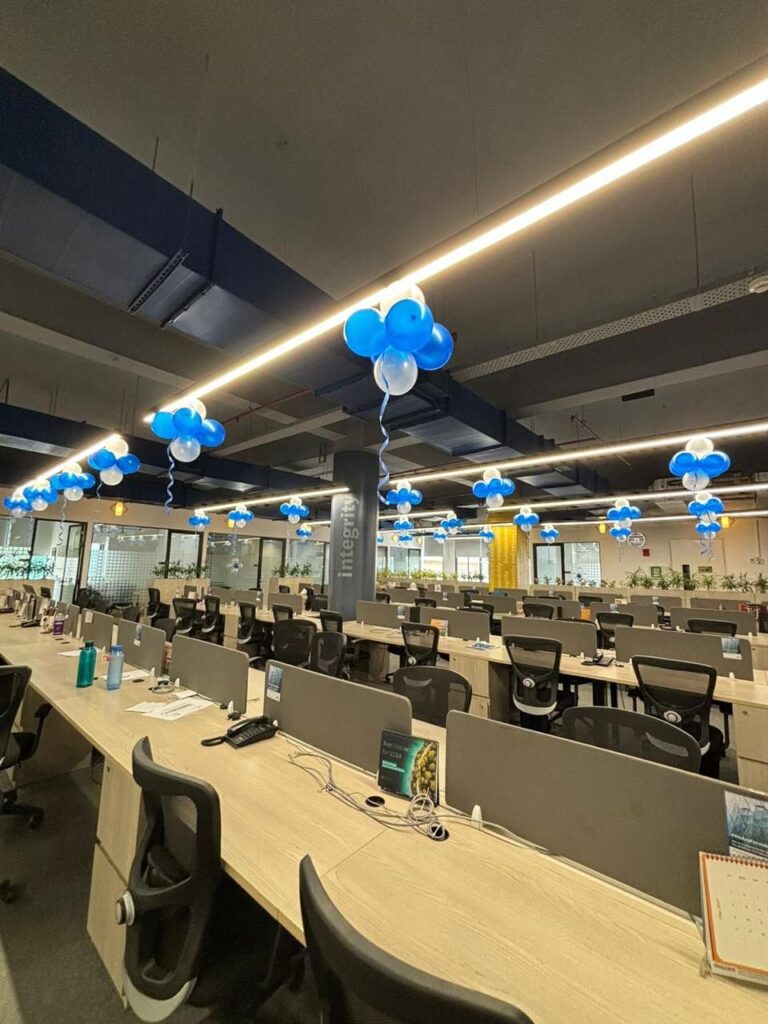
    Corporate events have evolved into strategic platforms for organizational growth. When thoughtfully designed, they drive brand positioning, employee engagement, client relationship building, and thought leadership. From high-profile product launches to immersive team-building experiences, a meticulously planned corporate event leaves a lasting impression and delivers measurable business impact. This guide simplifies corporate event planning into six essential steps — from setting objectives to post-event analysis — making it easier to execute with excellence.
    This guide simplifies corporate event planning into six essential steps — from setting objectives to post-event analysis — making it easier to execute with excellence.

    Why Corporate Events Matter

    Corporate events enhance brand visibility, create opportunities for high-value networking, drive employee engagement, and generate measurable leads and revenue. They are no longer just meetings but strategic experiences that elevate your organization’s reputation and reach.

    Step 1: Define Objectives and Budget

    Every impactful corporate event begins with a clearly articulated purpose. Identify your desired outcomes — such as brand awareness, team-building, product launches, or client engagement — and determine your target audience. These decisions shape your budget. Map out your financial plan early, including venue, catering, technology, entertainment, marketing, travel, and a contingency fund. Tracking expenses ensures you can deliver a high-quality experience without overspending.

    Step 2: Select Venue and Timeline

    Your venue sets the tone. Choose one that reflects your brand identity, is easily accessible, and has the infrastructure needed for flawless execution. Consider capacity, location, facilities, and ambience — and book well in advance. Alongside venue selection, create a detailed timeline. Plan months ahead for major tasks (booking vendors, confirming speakers, launching promotions), schedule rehearsals and final checks closer to the event, and reserve time for post-event follow-up.

    Step 3: Curate Engaging Content and Experiences

    Content is the heart of a memorable corporate event. Align sessions, speakers, and activities with your audience’s needs. Include interactive elements like workshops, polls, Q&A, or demos to boost participation. Add memorable touches such as branded installations, gamified activities, or unique entertainment to elevate the experience and strengthen brand recall.

    Step 4: Use Technology and Branding Strategically

    Leverage technology to simplify logistics and enhance engagement. Event management platforms streamline registration and tracking, while mobile apps provide real-time updates, agendas, and networking tools. For hybrid events, integrate live-streaming and on-demand content.
    Pair technology with strong branding. Maintain a consistent visual identity across invitations, signage, presentations, and merchandise. Promote your event via social media, email campaigns, and PR to build anticipation and extend its reach.

    Step 5: Prioritize Guest Experience and Logistics

    A smooth guest experience defines event success. Communicate schedules and venue details early, streamline registration, ensure comfort and accessibility, and cater to diverse dietary preferences. Personalized touches — welcome kits, networking lounges, or photo booths — create a sense of exclusivity.
    Behind the scenes, manage vendors and logistics with clear agreements, regular check-ins, and contingency plans. A polished back-end operation lets your team focus on content and attendee engagement.

    Step 6: Rehearse, Follow Up, and Analyze

    Conduct a full run-through to test event flow, technology, and speaker coordination. Review emergency protocols to minimize surprises on the day. After the event, send thank-you notes, collect feedback, and analyze attendance, engagement, and ROI. Apply your findings to future events to continuously improve your outcomes.

    Common Mistakes to Avoid

    Even seasoned planners can overlook critical elements. Be mindful of these common pitfalls:
  • Starting the planning process too late.
  • Ignoring attendee feedback or preferences.
  • Underestimating technical or AV requirements.
  • Allowing budgets to spiral due to poor cost control.
  • Neglecting marketing and branding opportunities.
  • Avoiding these missteps will help you deliver a polished, efficient, and memorable corporate event.

    Conclusion

    Planning a successful corporate event doesn’t have to be overwhelming. By defining objectives
    and budgets, selecting the right venue and timeline, curating great content, using technology and
    branding strategically, prioritizing guest experience, and wrapping up with thorough analysis,
    you create a powerful platform for engagement, visibility, and growth.

    At Lemon Chilli Media Solutions (LCMS), we specialize in end-to-end event planning and execution. From concept development to on-ground coordination, our team ensures every detail aligns with your goals and brand identity. With expertise in corporate event management, creative production, and branding, LCMS helps you deliver events that impress and drive measurable outcomes.
    Let LCMS handle the planning while you focus on creating lasting impressions — because every great event deserves flawless execution.